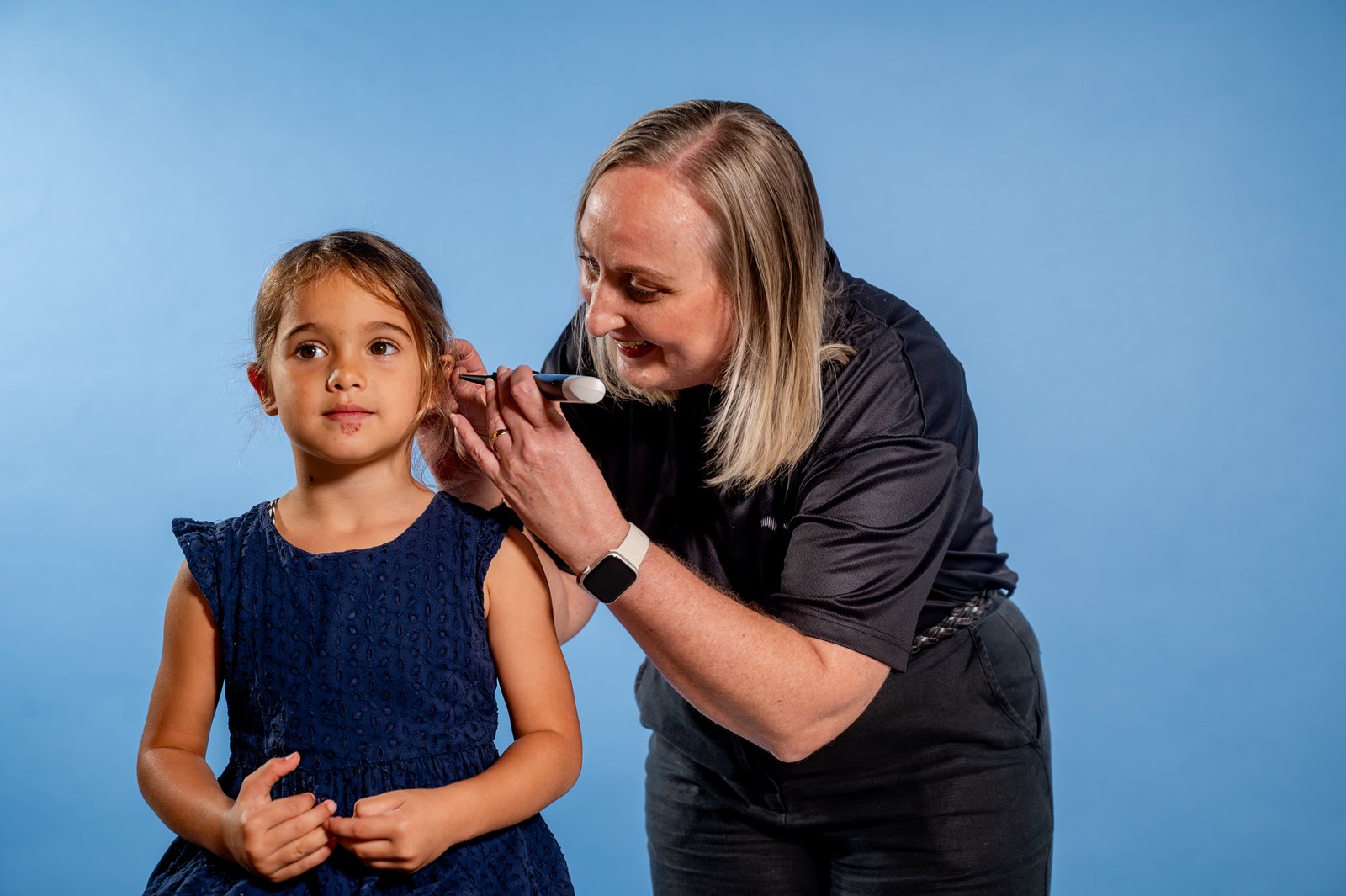
Listening is how children learn, connect and stay strong.
Hearing plays an important role in helping children learn and thrive in their early years.
Early ear and hearing checks can help find problems sooner so your children can get the right support as they grow.
Aboriginal and Torres Strait Islander children can access free* hearing checks before they start full-time school.
Book a free* hearing check for your child
Why listening is important for your child’s development
Being able to hear and listen helps children to:
- learn new skills at home, early learning and school.2
- develop speech and language.2
- build confidence and take part in everyday moments.3
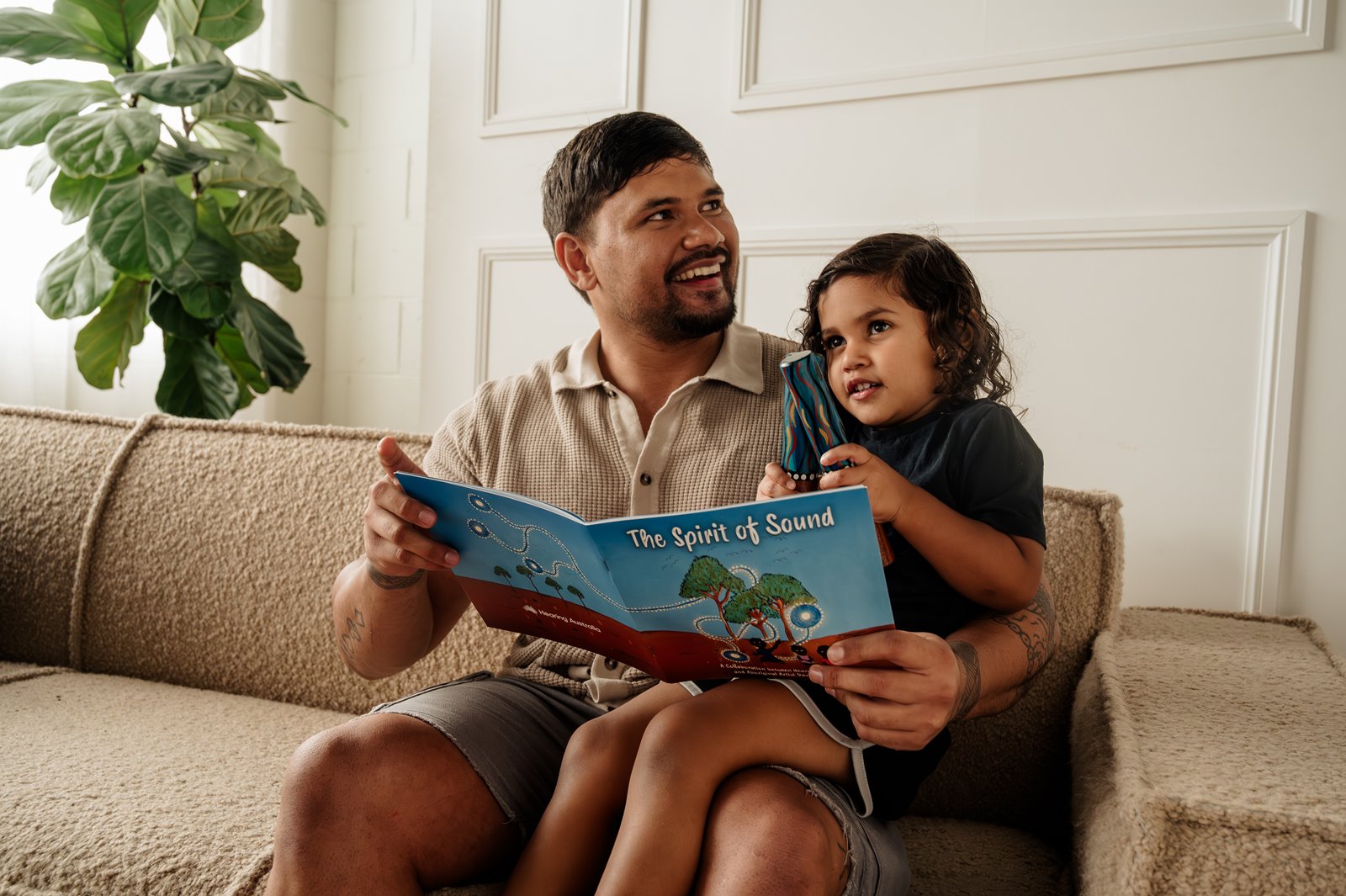
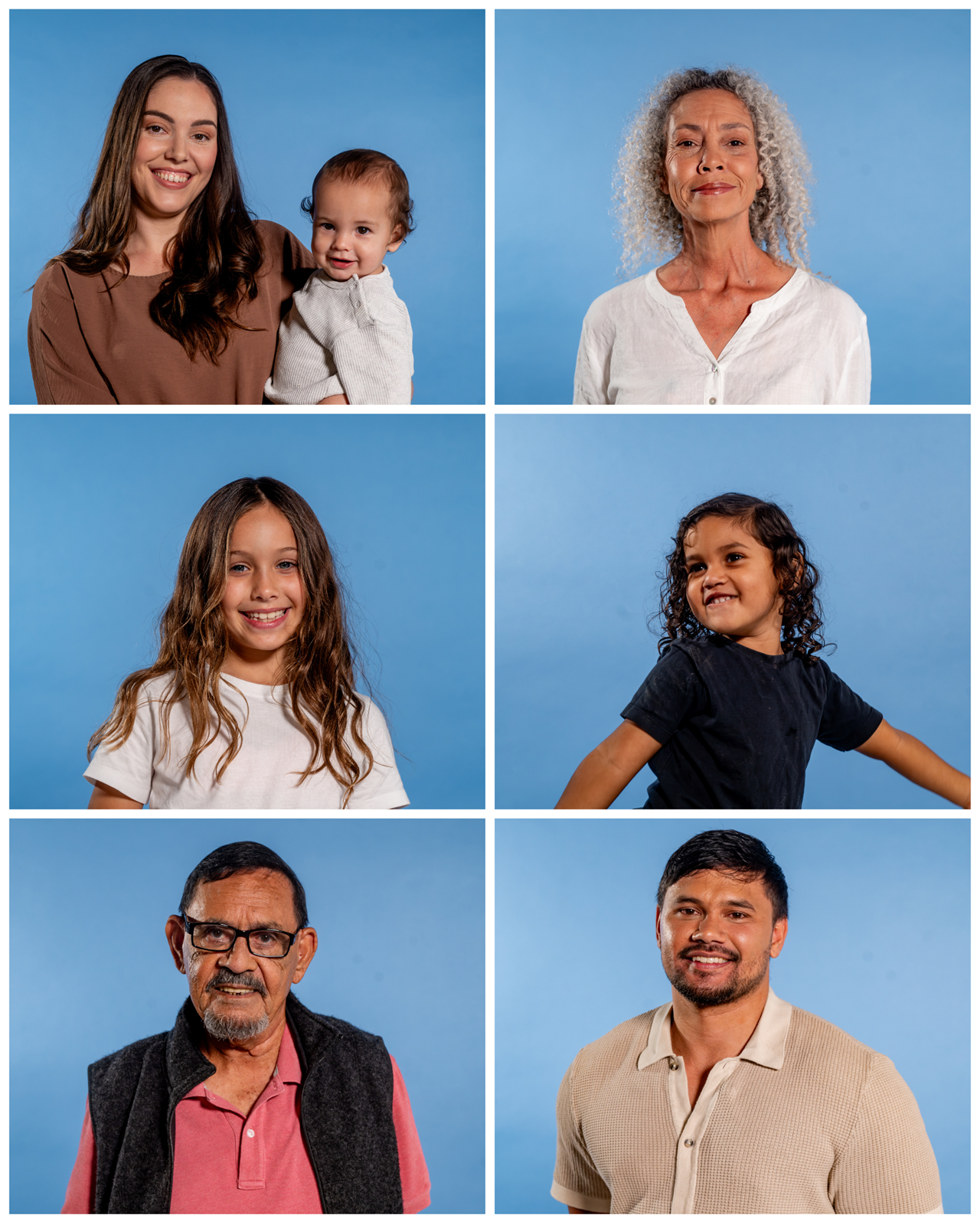
Listening to community
This work is grounded in the voices of Aboriginal and Torres Strait Islander parents, children and Elders, alongside Hearing Australia staff.
It highlights why listening and hearing matter for children, families and community.
For services like Hearing Australia, it shapes how we learn and provide care in partnership with families and communities.
Listening helps us to:
- build trust with families and communities
- learn from lived experience
- deliver culturally responsive care
- support your child to stay connected with families, culture and learning
Hear from community
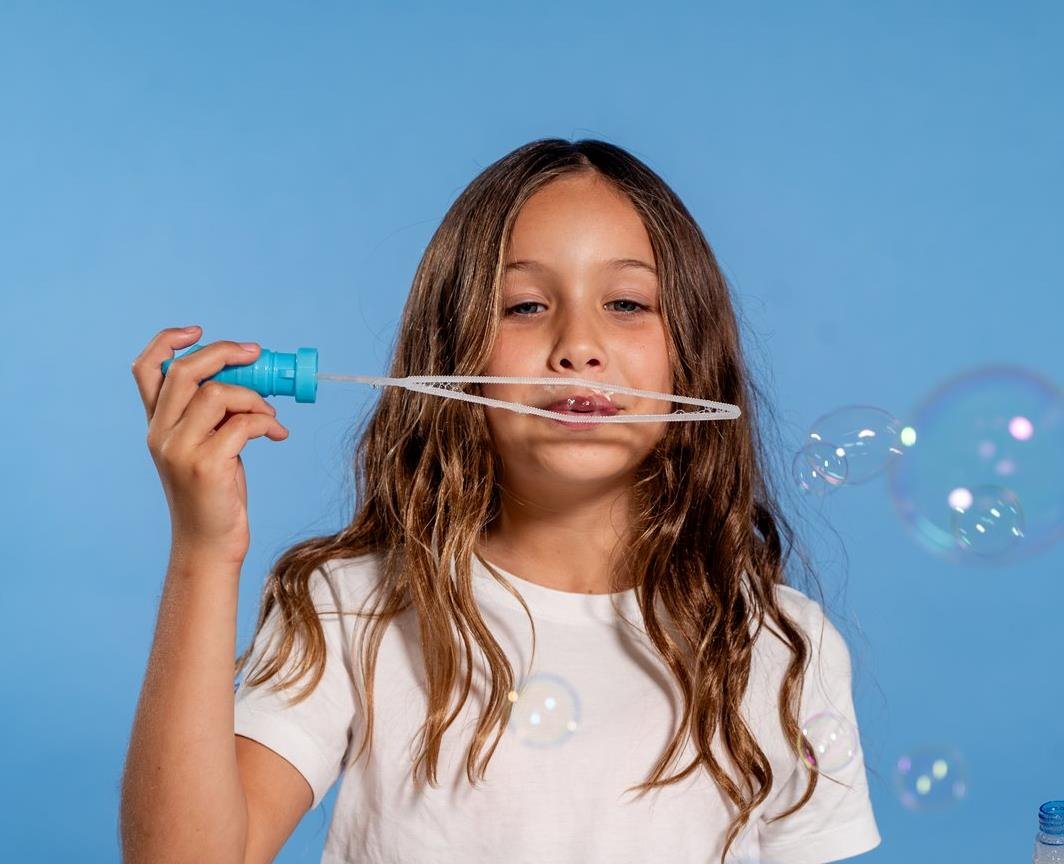
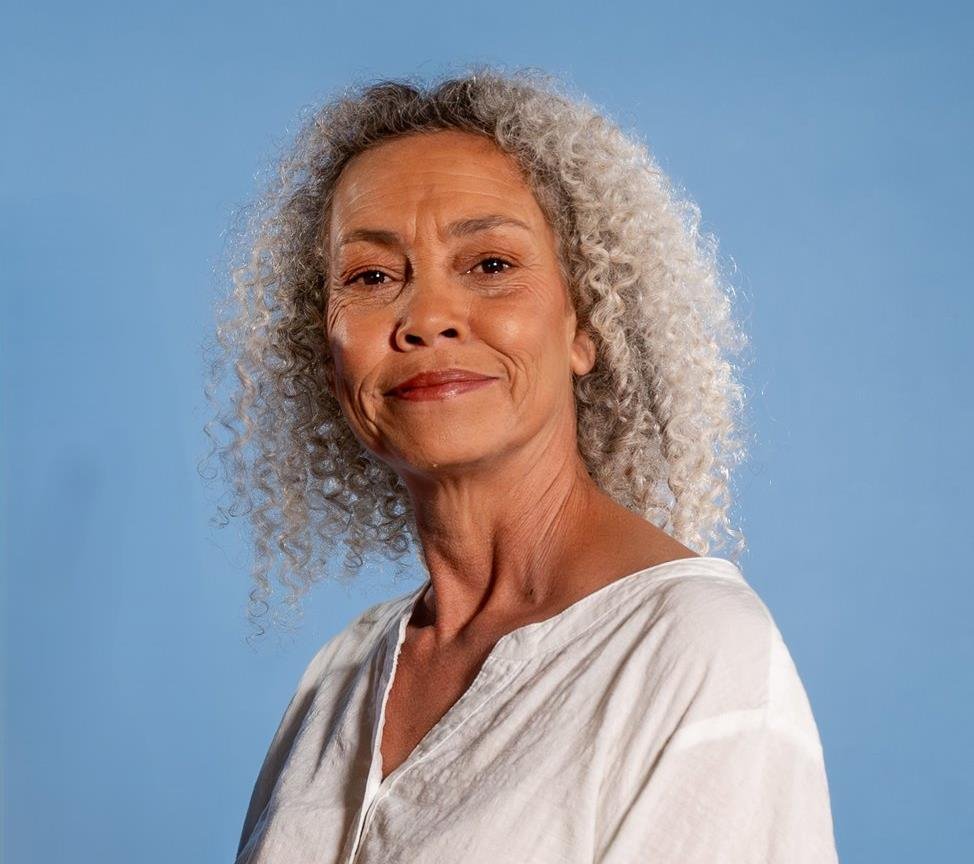

Book your child’s free* hearing check today
*The Hearing Assessment Program is funded by the Australian Government. Aboriginal and Torres Strait Islander children not yet attending full time school (i.e. children in the years prior to primary school) are eligible to be seen. All services provided under this program are free of charge. A hearing check includes a number of age-appropriate tests of hearing and middle ear function.
References:
1. (video citation) Ching, T.Y.C & Leigh, G. Considering the impact of Universal Newborn Hearing Screening and early intervention on language outcomes for children with congenital hearing loss. Journal of Hearing, Balance and Communication. 2020;18(4):215-224. doi.org/10.1080/21695717.2020.1846923.
2. Su JY, Guthridge S, He VY, Howard D, Leach AJ. Impact of hearing impairment on early childhood development in Australian Aboriginal children: A data linkage study. J Paediatr Child Health. 2020 Oct;56(10):1597-1606. doi: 10.1111/jpc.15044. Epub 2020 Jul 29. PMID: 32725651.
3. Wong CL, Ching TY, Leigh G, Cupples L, Button L, Marnane V, et al. Psychosocial development of 5-year-old children with hearing loss: Risks and protective factors. Int J Audiol. 2018 May;57(Suppl 2):S81–S92. doi:10.1080/14992027.2016.1211764. PMCID: PMC5316508.
4. National Institute on Deafness and Other Communication Disorders (NIDCD). Speech and language [Internet]. Bethesda (MD): NIDCD; [cited 2026 May 20]. Available from: https://www.nidcd.nih.gov/health/speech-and-language