Healthy hearing starts with safe listening
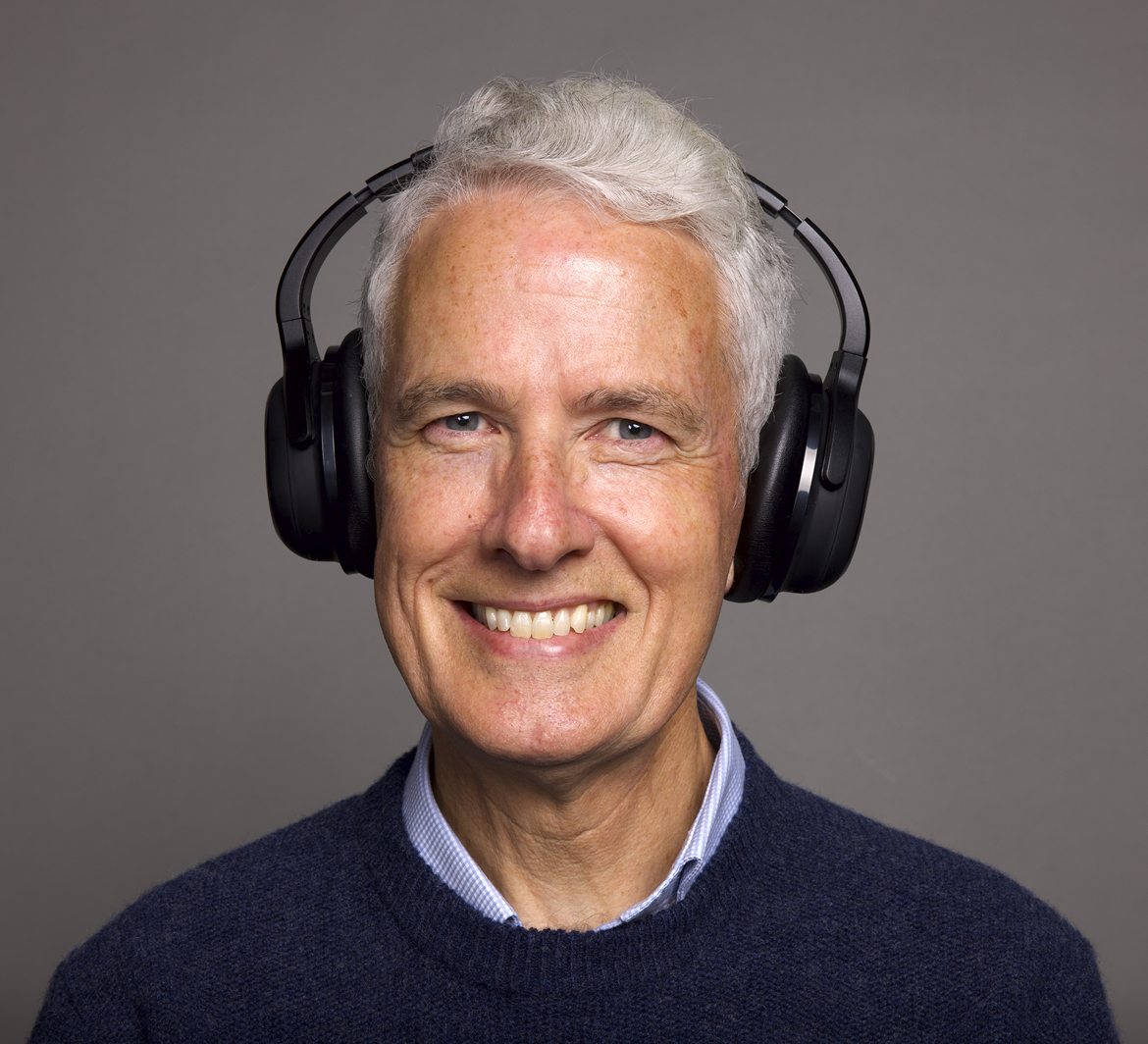
Whether it’s music, podcasts, phone calls or streaming your favourite shows, headphones and earbuds have become part of everyday life for both adults and children. While listening technology offers convenience, entertainment and connection, it’s important to use it in ways that support long-term hearing health.
One of the most common risks to hearing is listening at high volumes for extended periods. In noisy environments such as public transport, gyms, some workplaces or busy households, many people instinctively increase the volume to compete with background noise. Repeated exposure to loud sound over time can contribute to noise-induced hearing loss.1
Safe listening is not only about lowering the volume — it’s also about reducing listening strain.2 Choosing headphones or earbuds that fit well and help minimise surrounding noise can make it easier to hear clearly without turning the sound up too high. Some listening devices may also include features such as noise reduction, volume limiting or sound adjustment settings that support more comfortable listening at lower levels.
A useful guide for everyday listening is the “80/90 rule”2— listening at no more than 80% volume for no longer than 90 minutes at a time. Taking regular listening breaks also gives your ears an opportunity to rest and recover.
Healthy listening habits are especially important for children and teenagers, who are often regular users of personal listening devices. Parents and caregivers can support hearing health by monitoring listening time, encouraging regular breaks and making use of device volume limit settings where available.
Simple tips for safer listening
- Here are some practical ways to help protect your hearing every day:
- Keep the volume at a comfortable level and avoid increasing it to block background noise
- Follow the “80/90 rule” as a guide for volume and listening time
- Take regular breaks from headphones and earbuds
- Use well-fitting or noise-reducing listening devices in noisy environments
- Enable volume limit settings on phones and personal devices where available
- Watch for warning signs such as ringing ears, listening fatigue or muffled hearing after use
Healthy hearing habits today can help protect your hearing well into the future. If you have questions about hearing health, our team is always here to help.
1 Dillard LK, Arunda MO, Lopez-Perez L, Martinez RX, Jiménez L, Chadha S. Prevalence and global estimates of unsafe listening practices in adolescents and young adults: a systematic review and meta-analysis. BMJ Glob Health. 2022 Nov;7(11):e010501. doi: 10.1136/bmjgh-2022-010501. PMID: 36379592; PMCID: PMC9723884.
2 Portnuff, Cory D. F.. “Reducing the risk of music-induced hearing loss from overuse of portable listening devices: understanding the problems and establishing strategies for improving awareness in adolescents.” Adolescent Health, Medicine and Therapeutics 7 (2016): 27 - 35.