Why not acting on hearing loss can put your wellbeing at risk
Gradual hearing loss does more than just make conversations harder. Did you know it can quietly impact your wellbeing?
Hearing loss happens so gradually you may not even notice – but those around you probably do. Social moments can become less enjoyable and connections start to fade.
It’s easy to overlook getting your hearing checked, but an expanding body of research is highlighting the risks for those who ignore their hearing loss. Because as hearing declines, the risks to your health can grow.
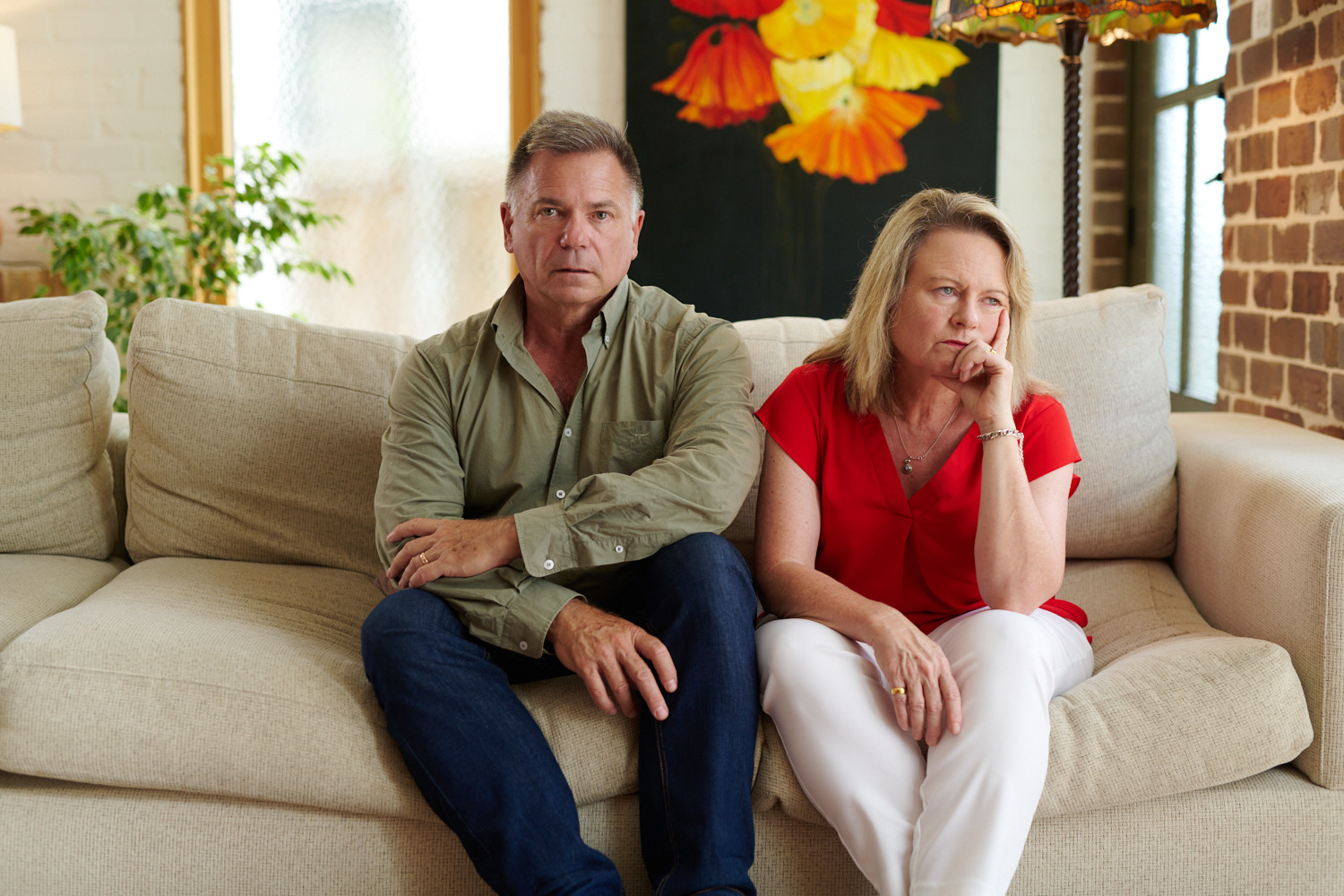
Research shows that gradual, untreated hearing loss can have far-reaching consequences both physically and emotionally. It’s linked to a 32 per cent higher risk of developing dementia.1 It can also strain relationships – leaving partners frustrated and disconnected. It can even affect a person’s emotional wellbeing,2 with hearing loss being linked to a 35 per cent higher risk of developing depression.3 As our hearing helps us be aware of our surroundings and maintain balance, people whose hearing declines have more than double the risk of a serious fall.4
“Hearing health is about more than just sound – it’s about staying connected, independent and mentally sharp,” says Karen Hirschausen, Principal Audiologist, Commercial Clinical Services at Hearing Australia. “When people ignore gradual hearing loss, they’re not just missing words, they’re increasing health risks that can affect their quality of life.”
The good news is that hearing aids not only help you hear better, but they can also reduce some of the risks linked to untreated hearing loss. Experts recommend regular hearing checks, especially for adults aged over 55.
Hearing needs are deeply personal and often benefit from thoughtful guidance and care, with research consistently linking earlier attention to better long-term outcomes.
Know the study behind the fact
Curious about the research into the impact of gradual and untreated hearing loss? Here are the references for further reading:
1. Readman, M. R. et al. (2025) ‘Hearing loss as a risk factor for dementia: a systematic review and meta-analysis from a global perspective’, Aging & Mental Health, 29(10), pp. 1831–1844. doi.org/10.1080/13607863.2025.2515180 (accessed on 21/10/25)
2. Barker, A. B., Leighton, P. and Ferguson, M. A. (2017) ‘Coping together with hearing loss: a qualitative meta-synthesis of the psychosocial experiences of people with hearing loss and their communication partners’, International Journal of Audiology, 56(5), pp. 297–305. doi.org/10.1080/14992027.2017.1286695 (accessed on 21/10/25 at nottingham-repository.worktribe.com/output/839547/coping-together-with-hearing loss-a-qualitative-meta-synthesis-of-the-psychosocial-experiences-of-people-with-hearing-loss-and-their-communication-partner)
3. Wei J, Li Y and Gui X (2024) ‘Association of hearing loss and risk of depression: a systematic review and meta-analysis.’ Front. Neurol. 15:1446262. doi.org/10.3389/fneur.2024.1446262 (accessed on 22/10/25)
4. Goman, Adele M et al. ‘Effects of hearing intervention on falls in older adults: findings from a secondary analysis of the ACHIEVE randomised controlled trial’ The Lancet Public Health, Volume 10, Issue 6, e492 - e502 (accessed on 22/10/25 at thelancet.com/journals/lanpub/article/ PIIS2468-2667(25)00088-X/fulltext)